
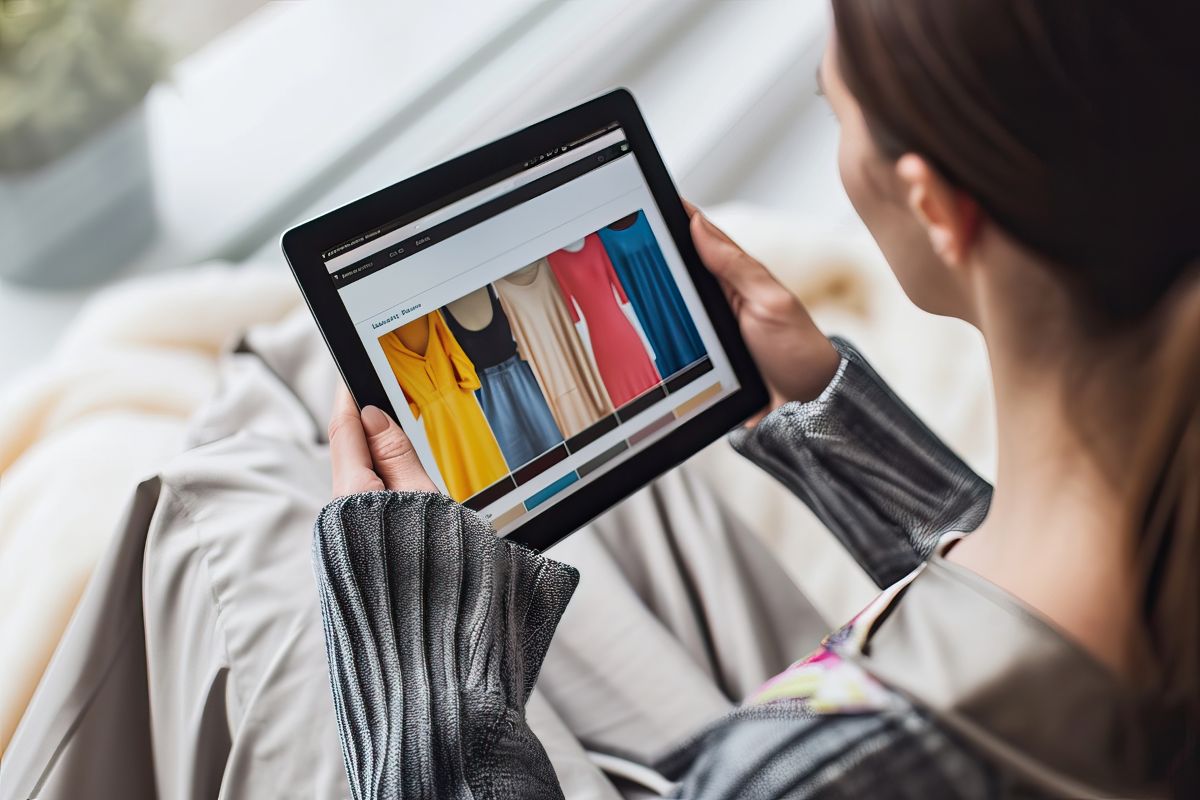
Online shopping is convenient - until you order something that looks amazing on the website and then arrives fitting like a potato sack. Yes, getting the right fit without being able to try things on first is legitimately challenging - but there are ways to make it way less of a gamble. You just need to know what to look for and how to translate those size charts into something that actually makes sense for your body.
Take Your Actual Measurements
This sounds obvious but most people skip it - grab a soft measuring tape (the kind sewers use, not a metal one) and measure yourself properly. You need your bust at the fullest part, your natural waist (the narrowest part of your torso, usually a couple inches above your belly button), and your hips at the widest point.
Stand naturally when you measure, don't suck in or pull the tape super tight - you want accurate numbers, not aspirational ones. Write these measurements down somewhere you can reference them easily, like in your phone's notes app, because they're going to be your baseline for every purchase.
Measure yourself every few months too since bodies change; that measurement from two years ago probably isn't accurate anymore, and trying to order based on outdated numbers is setting yourself up for disappointment.
Actually Read the Size Charts
Every brand has different sizing, and assuming you're the same size everywhere is a recipe for returns - a medium at one store might fit like a large somewhere else, and international sizing is a whole other mess. Size charts exist for a reason, so use them instead of just clicking your usual size.
Compare your actual measurements to the brand's size chart, not to what size you think you are - if your measurements fall between two sizes, the general rule is to size up for a more comfortable fit or size down if you want something more fitted. Some items will specifically tell you whether they run large or small in the product description.
Pay attention to the model's measurements if they're listed - if the model is wearing a size small and their measurements are way different from yours, that gives you useful context for what size might work for you.
Check the Fabric Composition
The material something is made from dramatically affects how it fits - 100% cotton will fit differently than a cotton-spandex blend, and knowing whether something has stretch or not is crucial information. If you're between sizes and the fabric has no stretch, size up; if it's got 5% spandex or elastane, you might be fine with the smaller size.
Natural fabrics like cotton and linen tend to shrink a bit in the wash too, so factor that in - if something is already snug when it arrives, it's probably going to be unwearable after the first laundry cycle. Synthetic fabrics usually hold their shape better but can be less forgiving if you're between sizes.
Read the Reviews
Customer reviews are honestly one of your best resources for figuring out fit - people will tell you if something runs small, if the arms are too long, if the waist sits weird, all the stuff you can't tell from product photos. Look for reviewers with similar measurements to yours for the most relevant information.
Pay attention to patterns in the reviews too - if multiple people say something runs large, it probably does; if everyone mentions that the shoulders are tight, believe them. Don't just look at the star rating, actually read what people are saying about the specific fit issues.
Some sites even have photos from customers wearing the items, which gives you a much more realistic idea of how things look on actual humans rather than professional models in perfect lighting.
Understand Your Body Shape
Knowing your general body shape helps you predict what styles will work - if you're pear-shaped, you know pants are going to be trickier than tops; if you're apple-shaped, you might need different sizes for tops versus bottoms. This isn't about fitting into categories, it's just practical information for making better choices.
Some brands cater to specific body types better than others - if you have a longer torso, look for brands that offer "tall" sizing; if you're petite, regular sizing might be too long in the sleeves and hem. These specialty sizes exist for a reason and they make a huge difference in how clothes actually fit.
Look at the Product Description Details
The product description usually tells you important stuff like whether something is supposed to be fitted or loose, what the length is, where exactly the hemline falls - this information helps you visualize how it's going to look on your body. If it says "midi length" but you're tall, that might hit more at knee length on you.
Sometimes they'll include specific measurements for the garment itself - like "28 inches from shoulder to hem" - which you can measure against your own body to see where it will fall. This is especially useful for dresses and tops where length matters.
Check if they mention things like "true to size" or "relaxed fit" in the description - these are hints about how you should size yourself.
Know Your Rise Preference for Bottoms
For pants and skirts, the rise (how high the waistband sits) makes a massive difference in fit and comfort - low-rise sits at your hips, mid-rise is around your natural waist, high-rise comes up above your belly button. If you hate low-rise jeans, ordering a pair without checking the rise measurement is going to end badly.
Measure from your crotch seam to where you want the waistband to sit, then compare that to the rise measurement in the product details - this prevents you from ordering pants that are going to be riding too low or pulling up too high.
Consider the Return Policy Before You Buy

Knowing you can easily return something takes a lot of the stress out of online shopping - before you order, check what the return window is, whether return shipping is free, and if there are any restrictions. Some places won't accept returns on sale items or charge restocking fees.
If a site has a terrible return policy, that changes your risk calculation - maybe it's not worth ordering from them unless you're really confident about the fit. Free returns mean you can order multiple sizes and send back what doesn't work, which is honestly the best way to shop online if you can afford to front the money temporarily.
Try Virtual Fitting Tools When Available
Some sites now have virtual fitting room features where you input your measurements and it recommends sizes or even shows you a 3D model - these aren't perfect but they're usually better than just guessing. The technology is getting better all the time.
Browser extensions like True Fit or apps that compare sizing across different brands can also be helpful, especially if you've successfully ordered from one brand and want to figure out what size you'd be at another brand.
Specialty Sizing for Specific Items
If you're shopping for something like authentic medieval-style clothing options, sizing can be even more complicated since these often have corset-style lacing or adjustable elements - look for guidance on how those adjustments work and how much flexibility they give you in terms of fit.
Historical-inspired clothing sometimes uses different construction methods than modern clothes, so understanding how something is meant to fit your body helps you make better size choices.
Email Customer Service If You're Unsure
Most online stores have customer service teams who can answer specific fit questions - if you're torn between two sizes or have a question about measurements, just email them. They usually respond pretty quickly and can give you guidance based on other customers' experiences.
Don't be embarrassed to ask - they'd rather answer questions upfront than deal with returns later, so they're generally pretty helpful about it.
Keep Notes on What Works
Once you successfully order from a brand, make a note of what size worked and how it fit - this builds up your personal database of which brands run true to size, which ones are generous, which ones are stingy. Over time this makes online shopping way easier because you start to recognize patterns.
Some people even keep a spreadsheet with brand names, what size they ordered, and whether it fit well - that might be overkill for casual shoppers but if you order a lot online, it's genuinely useful information to have organized.
The Reality of Online Fit
Even with all these strategies, you're still going to sometimes order things that don't fit - that's just part of online shopping and it's not a personal failing. Bodies are three-dimensional and complex, and translating that into a size chart will never be 100% accurate every single time.
The goal isn't perfection, it's just improving your odds so you're getting more hits than misses - and honestly, once you figure out a few brands that consistently fit you well, online shopping becomes so much easier because you can default to those when you need something specific.