
Choosing Dress Colors That Complement Your Hair Color
Ever stood in front of a mirror, holding up a dress and wondering, “Does this really suit me?” Although you might not have realized, the answer often comes down to one deceptively simple factor: your hair color. The shades that harmonize with your natural hair can make your skin glow, your eyes pop, and your overall presence feel radiant, while the wrong tones can make even the most beautiful dress feel… off.
Specifically, when it comes to historically inspired dresses for reenactment events, understanding how color interacts with your hair can elevate your outfit from costume to stunning period-appropriate style. If you’re unsure on how to determine your most flattering colors, we’ve broken it down, hair color by hair color, so you can start choosing pieces that feel inherently you.
Blonde Hair
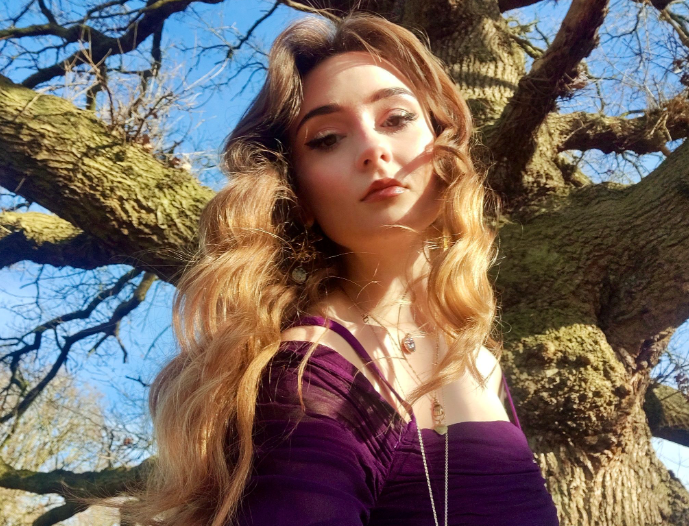
Blondes often have a natural luminosity that makes lighter, softer tones come alive. Think pastels, cream, soft golds, and powder blues. These shades complement the warmth and brightness of blonde hair without overwhelming it.
If your blonde is cooler, like ash or platinum, lean into icy tones: silver, pale lavender, muted greens. Rich jewel tones, like sapphire or emerald, can also create a striking contrast that feels dramatic in a medieval or Renaissance gown. Velvet in these shades catches the light beautifully against fair locks, making your ensemble feel regal.
Light Brown Hair
Light brown hair has a natural warmth that pairs effortlessly with soft, earthy tones. Muted rose, sage green, and warm taupe can highlight the subtle depth in your hair while keeping your look harmonious.
For a bolder statement, amber, burgundy, or deep mustard can bring out hidden highlights in your hair, especially in sunlight at an outdoor fair. Layered fabrics, like a flowing velvet overdress or a richly textured bodice, allow these colors to glow against your natural warmth.
Dark Brown Hair
Dark brown hair provides a dramatic foundation that works beautifully with saturated, deep tones. Rich reds, forest greens, navy, and plum can enhance your hair’s depth while lending a noble, timeless feel to your gown.
Metallic accents, like gold or bronze embroidery, jewelry, or trim, look particularly striking against dark hair, echoing the richness of historical fashion. In winter or evening settings, deep jewel-toned velvet gowns can almost seem to glow against dark tresses, creating a look that feels cinematic.
Red Hair

Red hair has a vibrancy all its own, and it thrives in contrast. Cool tones, like teal, emerald, or sapphire, will play against the fiery warmth of your locks, creating a balanced and eye-catching ensemble.
Earthy shades like olive or burnt sienna can also enhance red hair without competing with it, producing a look that feels grounded and historically authentic.Brocade, heavy linen, layered velvet, and other rich textures give depth to these tones, letting your hair remain the star of the show.
Grey and White Hair
Grey and white hair is incredibly versatile, with a natural elegance that can support both soft and bold colors. Pastels, creams, and silvers harmonize beautifully with lighter shades, evoking a serene, ethereal presence.
For more dramatic impact, jewel tones, like deep violet, ruby, or emerald, pop against gray or white hair, providing contrast and richness. Historically inspired dresses for reenactment events in these tones feel sophisticated, whether you’re strolling through a festival or posing for photos against a castle backdrop.
Considering Your Skin Tone
Hair color is just one part of the picture. Your skin tone interacts with your hair to determine which shades feel most flattering. Cool undertones thrive in blues, greens, and jewel tones, while warmer undertones glow in golds, rusts, and warm reds. So, consider how your complexion responds to light and depth.
Fair skin often benefits from colors that add warmth or contrast - soft peach, lavender, or emerald green can enhance your natural radiance. Medium or olive complexions can wear a wider range of shades, from deep burgundy to rich teal, without overwhelming their natural balance. Deeper skin tones shine in saturated jewel tones, warm metallics, and vibrant earth colors that highlight natural warmth and depth.
Bringing It All Together in Historical Fashion

Historically inspired dresses are inherently layered and textural, giving you multiple opportunities to work color to your advantage. A chemise in a complementary shade under a contrasting overdress can create depth, while a cloak in a striking color can frame your hair beautifully. Accessories like belts, ribbons, and jewelry offer additional ways to highlight your hair’s natural tones.
When choosing fabrics, remember that texture amplifies color. Velvet deepens jewel tones, brocade catches the light in unexpected ways, and heavier linens can soften muted shades. Each layer in a historical ensemble can enhance the relationship between your hair and your dress, making your overall look feel intentional and visually cohesive.
Confidence Is the Final Touch
At the end of the day, color theory is a helpful guide, but the most important factor is confidence. If you feel radiant in a shade, it will show. Choosing colors that complement your hair shouldn’t be restrictive - it should amplify your natural beauty and make your attire feel like it was made for you, whether you’re at a renaissance fair, a festival, a photoshoot, or just in your own reflection.
Why Choose HolyClothing Dresses?
HolyClothing has been helping women of all body types realize their fantasy in sizes S–5X for over two decades. Every piece is ethically crafted from 100% vegan, plant-based fabrics and made to order, so you can explore color, texture, and historical style without compromise.
Explore our full selection of dresses for reenactment events to find gowns in a range of shades that highlight your natural beauty, layered textures that delight the eye, and designs built to make you feel confident, radiant, and truly yourself.
0 comments