
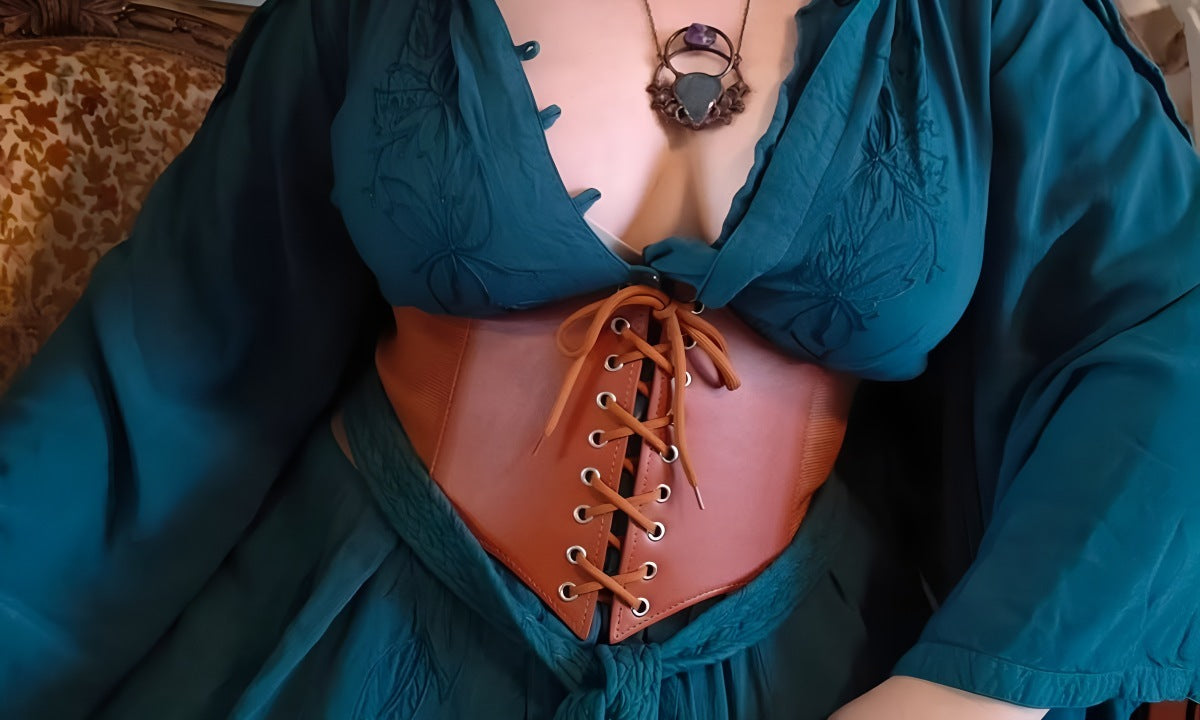
Yes. Categorically, enthusiastically, and with zero asterisks attached.
The idea that corsets are a garment with a size limit is one of the more persistent and irritating myths in fashion, and it's worth addressing directly rather than tiptoeing around it. Corsets were not invented as a garment for one body type. They have been worn across an enormous range of bodies across several centuries of fashion history, and there is nothing about the construction of a corset that makes it inherently incompatible with a plus size figure. Quite the opposite, in many cases.
A Brief History Lesson
The corset's reputation for exclusivity is largely a product of the 19th century extreme silhouette ideal, which is also the version most people picture when they hear the word. Tightly laced, rigidly boned, designed to produce a waist measurement that bore little relationship to the body's natural shape: this is not the whole history of the garment, and it's arguably not even the most interesting part of it.
Renaissance stays and bodies, the predecessors to what we'd now call a corset, were designed primarily for support and structure rather than extreme reduction. They shaped the silhouette without necessarily compressing it severely. They were worn by women of all body types because fashionable dress in the Renaissance period was considered universal rather than conditional on fitting a narrow physical template. The idea of the corset as a garment that requires a particular starting figure to work is historically inaccurate as well as socially unhelpful.
What a Corset Actually Does for a Plus Size Body
Here's where it gets practically useful. A well-fitted corset does several things that are genuinely flattering and comfortable for plus size wearers, none of which require significant reduction or restriction.
Support is the most immediate benefit. A structured corset or boned bodice distributes weight differently than an unstructured garment, providing lift and support across the bust and torso in a way that many plus size wearers find both comfortable and posture-improving. This is especially noticeable when wearing a full-length gown for an extended period, as at a Renaissance festival; the structural support of a boned bodice can make a long day considerably more comfortable than going without.
Definition is the second benefit. The architectural quality of a corset creates visual waist definition regardless of the body's natural waist-to-hip ratio, which is part of why the silhouette is so widely flattering. The emphasis isn't on compression; it's on structure. The eye reads the boning and construction as a waist, and the figure appears defined without requiring the body to be anything other than what it is.
For a practical guide to making the most of the garment once you have it, take a look at our guide on how to wear a Renaissance corset properly - it covers the specifics without any of the misinformation that tends to accumulate around the topic.
Fit Is Everything

The reason some plus size women have had uncomfortable experiences with corsets isn't the garment category; it's fit. A corset that isn't the right size, shape, or construction for your specific body will be uncomfortable regardless of how it's laced, and the temptation to over-tighten to compensate for an ill-fitting garment is where the real discomfort comes from.
The relevant measurements for corset fit aren't just waist and hip. Torso length matters: a corset cut for a shorter torso will dig in at the hips on a longer one. The shape of the boning and the cut of the panels determines how the garment sits on different body proportions. And the degree of lacing reduction you choose is entirely at your discretion; a corset worn with the lacing slightly open at the back, or with a modesty panel filling the gap, is perfectly valid and extremely common.
The short version is this: try different constructions, prioritise fit over size label, and don't over-tighten. A corset should feel structured and supportive, not punishing.
Styling the Look
Once you have a corset or boned bodice that fits well, the styling options are genuinely wide. For Renaissance festival dressing, a structured bodice over a full chemise with a flowing skirt is the classic construction and it works beautifully across body types. The combination of the structured upper body and the volume of the skirt creates a silhouette that photographs beautifully and feels, once you have the right fit, incredibly comfortable to wear for a full day outdoors.
For a more modern interpretation, a corset-style bodice over a simple maxi dress or high-waisted trousers brings the Renaissance reference into contemporary dressing without full costume commitment.
Curve-friendly renaissance gowns designed specifically with plus size bodies in mind are a significantly better starting point than trying to adapt garments not designed for your proportions. The difference in fit, comfort, and overall effect is substantial.
Why HolyClothing?
HolyClothing has offered every style in sizes small to 5X since day one, in 2001, which is a significantly longer commitment to size inclusivity than most brands can claim. All garments are made to order in 100% vegan, plant-based fabrics, ethically crafted by artisans earning a living wage. The plus size Renaissance dress collection includes corset styles, empire waists, A-line silhouettes, and everything in between, designed for actual plus size bodies rather than scaled-up smaller ones. Explore the collection and find what works for you.
0 comments